
About Us
Thoughtful mental health care, grounded in science.

About Neuroscience Psychiatry
Thoughtful mental health care, grounded in science.
Neuroscience Psychiatry was founded to provide mental health care that is careful, evidence-informed, and centered on how the brain and nervous system actually function not rushed visits or one-size-fits-all solutions.
We believe meaningful change begins with understanding, and that effective care requires time, curiosity, and clinical judgment.

Our Philosophy
Mental health symptoms are not random or personal failures.
They reflect how the brain has adapted to stress, experience, biology, and environment.
Our approach focuses on:
Understanding brain and nervous system patterns
Identifying contributing biological, psychological, and environmental factors
Using evidence-based tools thoughtfully and selectively
Supporting long-term regulation, resilience, and clarity
We do not believe in forcing people into diagnoses or treatment pathways. Care is individualized, collaborative, and guided by clinical evaluation.


What Makes Us Different
Many mental health practices focus on speed or symptom control alone. Our model emphasizes:

Necessary Medications
Thoughtful medication use when appropriate not automatic prescribing
Comprehensive Care
Integrated care across psychiatry, therapy, and neuroscience-based services
Ease to Understand
Clear explanations so patients understand their care
Ongoing Support
Collaboration and transparency at every step
We believe patients do best when they are informed, supported, and respected.
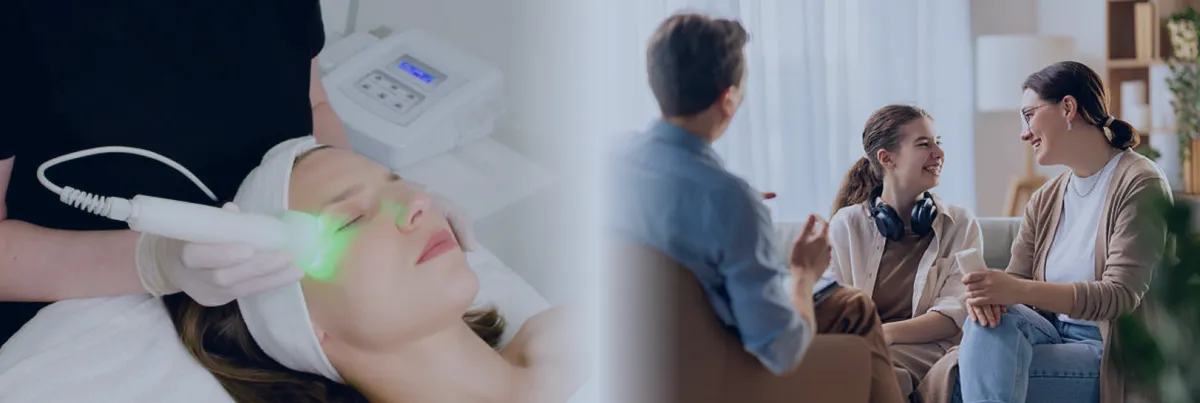
A Neuroscience-Informed Approach
Neuroscience Psychiatry integrates modern psychiatric practice with insights from neuroscience, nervous system regulation, and behavioral science.
This allows us to:
Look beyond surface-level symptoms
Understand why certain patterns persist
Match treatment intensity to clinical need
Adapt care as the brain and life circumstances change
Treatment recommendations may involve psychiatry, therapy, neuromodulation, integrative approaches, or a combination always guided by safety and evidence.
Who We Serve
Neuroscience Psychiatry serves adults seeking:
Diagnostic clarity
Personalized psychiatric or therapy care
Support for mood, anxiety, trauma, sleep, attention, or cognitive concerns
A science-based approach to mental health
Care is offered through a combination of virtual and in-person services, depending on location and clinical need.

Our Commitment
We are committed to:
Ethical, patient-centered care
Safety and clinical responsibility
Ongoing learning and evidence-based practice
Respect for each individual’s pace and goals
Metal health care should feel grounded, not overwhelming.
READY TO start?
Take The Next Step!
Need Answers?
Frequently Asked Questions to General questions
Who is Neuroscience Pscyhiatry for?
Neuroscience Pscyhiatry provides BOTH online mental health care to individuals 10 years and older. Our expert providers can help with anxiety, depression, and many other common concerns. We offer psychiatry, therapy, and Neuroscience Therapy.
Online care is not a good fit for people with certain conditions or situations. These can include:
1. Ongoing, high-risk self-harm behavior
2. Schizophrenia or any symptoms of psychosis
3. Some cases of bipolar disorder I or acute mania
4. Severe substance use
5. Medically unstable eating disorders
6. Dementia
If any of these describe a condition you’re experiencing, it’s best for you to be seen in person by a primary care provider who can help you find the treatment that’s right for you.
How Care at Neuroscience Psychiatry Works
1. Start with your free Brain Wiring Assessment
Take our quick online assessment to get a snapshot of how your brain and nervous system may be wired. You’ll see your results instantly, and they’ll guide your provider in understanding your starting point.
2. Schedule your comprehensive evaluation
Your first appointment is a deep-dive, not a rushed intake. Depending on your needs, this may include:
* A full psychiatric evaluation
* Optional brain mapping or neuroscience-based testing
* A review of your history, goals, and lifestyle factors
Together, we’ll uncover what’s driving your symptoms and create a plan that fits you—not just a prescription.
3. Get your personalized recommendations
Based on your evaluation, your provider may recommend:
* Psychiatry and medication management (when helpful)
* Therapy, mindfulness, or clinical hypnotherapy
* Neuroscience therapies like brain mapping, neurostimulation, or TMS
You’ll know exactly why each recommendation was made, and how it supports your brain and body.
4. Follow your plan, with ongoing support
Care doesn’t stop after your first visit. You’ll meet with your provider regularly to track progress, fine-tune your plan, and celebrate wins. Between sessions, you’ll have access to check-ins, guided tools, and self-tracking exercises to help you stay on course.
5. Track your progress and evolve
We measure what matters—your real improvements. With ongoing feedback, your provider adjusts your care so you continue moving toward balance, focus, and resilience.
Do you take insurance?
Yes, learn more about insurance we accept here.
Is my information kept private?
Neuroscience Pscyhiatry and its associated platform is HIPAA compliant and follows all HIPAA requirements including, but not limited to, the Privacy Rule. We encrypt data in transit and at rest. All communication with our software is done using signatures with a cryptographic hash algorithm. As well, all information is encrypted at rest once stored on our servers.
Why do you need to monitor my symptoms?
Mental health conditions are complicated. To make sure you are on the right treatment, and making appropriate progress, we will ask you to complete check-ins periodically to let us know how you’re doing. Your provider will review these check-ins to help them decide whether making an adjustment will help you get better, faster, and stay that way longer. You can also use this information to track your own progress over time.
How do I get my medication?
If prescribed, your psychiatric provider can send your prescription to a local pharmacy for your convenience.
How can I get help if I’m in crisis?
Your safety is extremely important to us. If you’re at immediate risk of suicide or self-harm, seek 24/7 help now:
1. Call or text 988 for the 988 Lifeline.
2. Call 911 for emergency support.
3. Go to your local hospital immediately for care.
Help is always available. We also recommend reaching out to a family member or friend to let them know that you are having these thoughts and to ask for help and support.
What do you treat?
Our expert providers can help with anxiety, depression, panic, suicidal thoughts, and many other common concerns, including:
1. Generalized anxiety disorder
2. Major depressive disorder
3. Panic disorder
4. Phobia
5. Social anxiety disorder
6. Obsessive compulsive disorder (OCD)
7. Post-traumatic stress disorder (PTSD)
8. Seasonal affective disorder (SAD)
9. Postpartum depression
10. Premenstrual dysphoric disorder (PMDD)
11. Insomnia
12. Bipolar disorder
13. And more

We’re committed to delivering life-changing depression, anxiety, and trauma care to everyone who needs it.
What We Offer
Who We Are
Our Care
Legal
© 2026 Neuroscience Psychiatry & Integrative Wellness PLLC



